Registro abierto
para infraestructura de IA
Descubre y compara modelos, proveedores, servidores MCP y Skills para agentes según precios con fuentes transparentes, límites de contexto, capacidades, condiciones de acceso y datos de despliegue.
Proveedores de todo el ecosistema








224
Modelos
54
Proveedores
302
Integraciones con proveedores
$3.91
Promedio paid I/O $/1M
Modelos populares
Modelos destacados por actualidad y disponibilidad entre proveedores
Claude Opus 5.5
Anthropic's Opus-class model for long-running agentic coding and knowledge work, succeeding Claude Opus 5 at a lower price. Particularly strong at multi-step changes in large codebases and sustained autonomous tasks, with always-on adaptive thinking steered by an effort parameter, a 1M-token context window, and up to 128K output tokens. Anthropic's recommended starting point for most workloads.
GPT-6 Astra
OpenAI's most capable frontier model for the hardest end-to-end work across complex reasoning, coding, computer use, browsing, research, scientific analysis, cybersecurity defense, and professional document creation. Supports long-context multimodal input, structured outputs, function calling, reasoning effort controls, MCP, skills, computer use, hosted shell, code interpreter, web search, file search, and apply-patch workflows through the Responses API.
GPT-6.1 Sol
OpenAI's upgrade to GPT-6 Sol, delivering near-Astra performance for complex work at a lower cost. Suited for agentic coding, computer use, and document-heavy professional work, with multimodal input, function calling, reasoning effort controls, a 1.05M-token context window, up to 128K output tokens, and cheaper cached input than GPT-6 Sol.
Gemini 4 Argon
Google's flagship reasoning model for software engineering, mathematics, science, and autonomous agents, generally available in Gemini API and Google AI Studio since October 13, 2026. Input, thinking, and output share a 1,048,576-token window, with long responses supported through background execution. Standard API pricing is $2 input and $10 output per million tokens through November 30, 2026; Google has announced $4 input and $20 output from December 1. No free API tier is available.

Kimi K3.1 Pro
Moonshot AI's K3.1 Pro multimodal reasoning model, post-trained from Kimi K3 for coding, 3D creation, financial research and tool-using agents. The documented API supports text, image and video input, structured output and a 1,048,576-token context. Downloadable weights are announced for November 4, 2026; the exact weight license is not yet published. A separately priced Highspeed endpoint is also documented.

Qwen3 Coder 30B A3B Instruct
Alibaba's Qwen3-Coder-30B-A3B-Instruct, a mixture-of-experts coding model with 30.5B total and 3.3B activated parameters. Built for agentic coding and tool use, with native 262,144-token context extendable to 1M tokens with YaRN.
Mistral Large 4
Mistral AI's multimodal model for reasoning, coding, and agentic workloads, with 1.05T total and 49B active parameters. Public preview with a 1M-token context; downloadable weights and the exact license are still marked as coming soon.

GLM-5.3-Prime
The high-speed variant of Z.ai's GLM-5.3, inheriting its full capabilities while delivering 1.5-2x the output throughput through inference acceleration. Text input and output with reasoning, tool use, and a 1M-token context window.
GPT-6.1 Terra
OpenAI's efficient GPT-6.1 model for image-based reasoning, screen interaction, writing and focused coding tasks. Accepts text and images and generates text, with a 1,050,000-token context and up to 128,000 output tokens. Reasoning effort ranges from none to max, with medium as the default. Streaming and structured outputs are supported; tool calling requires the Responses API, not Chat Completions. Fine-tuning, audio and video are not supported. Standard prompts above 272K input tokens cost 2x the input/cache rates and 1.5x the output rate for the entire request; Fast mode and regional processing have separate premiums.

MiniMax M3.1 Flash
MiniMax's multimodal reasoning model for coding, tool use, and long-running agents, with a 1,000,000-token context and text, image, and video input. Available through the MiniMax API; downloadable weights are announced but not yet released. OpenRouter currently offers a free endpoint, subject to its availability and usage limits.

Recursive Flint
Recursive's open-weight mixture-of-experts language model for coding agents, with 39.8B total and approximately 2.5B active parameters per token. Supports text generation, reasoning and multi-turn tool use under Apache 2.0. The released checkpoint configures 262,144 tokens of combined input and output; the developer advertises up to 512K but recommends staying within 256K. OpenRouter currently offers a free endpoint subject to availability and usage limits.

Mercury 3
Inception's diffusion-based language model for low-latency reasoning, coding, and tool-using agents, with a 1,000,000-token context. Current launch pricing is $0.10 input and $0.35 output per million tokens, with $0.01 cached input. Announced standard pricing is $0.20 input and $0.70 output; no end date for the launch discount is published.
Comparación de modelos
Empieza por la carga de trabajo. Después elige el modelo.
Convierte un registro de modelos en una decisión. Filtra todo el catálogo, compara datos fiables y calcula el coste con tus propios supuestos.
Compara los datos que importan
Contexto, modalidades, capacidades, condiciones de acceso y disponibilidad de proveedores en una sola vista.
Mantén el precio asociado a un proveedor
Los precios de entrada y salida de cada despliegue nunca se presentan como propiedades globales del modelo.
Calcula el coste de tu carga
Utiliza tus propios volúmenes de tokens, supuestos de caché y número de solicitudes en lugar de una puntuación abstracta.
Estado actual del registro
Mayores ventanas de contexto documentadas
Capacidad del modelo según el registro. La capacidad no equivale a calidad.
Últimos análisis
Análisis, benchmarks y comparaciones del ecosistema LLM
Este contenido está disponible actualmente en inglés.
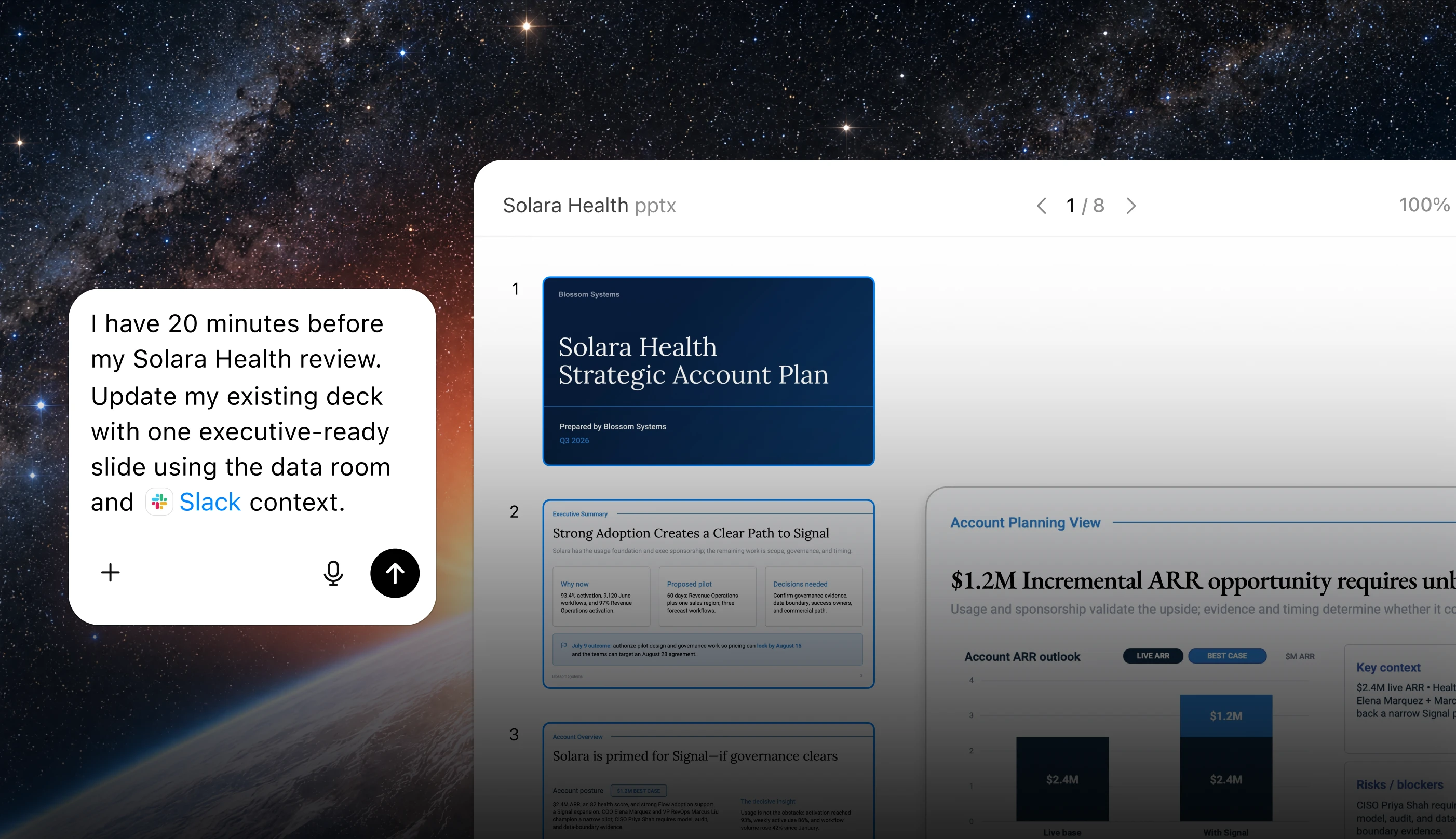
GPT-5.6 and ChatGPT Work: From AI Assistant to AI Worker
OpenAI is no longer positioning ChatGPT as a conversational assistant. With GPT-5.6 and ChatGPT Work, the company is moving toward a full work execution layer across apps, files, code, and business workflows.

The AI Race Is Shifting From IQ to Agentic Economics
The AI race is shifting from benchmark scores to agentic economics. Why inference costs, latency, and open-weight models are reshaping the industry in 2026.
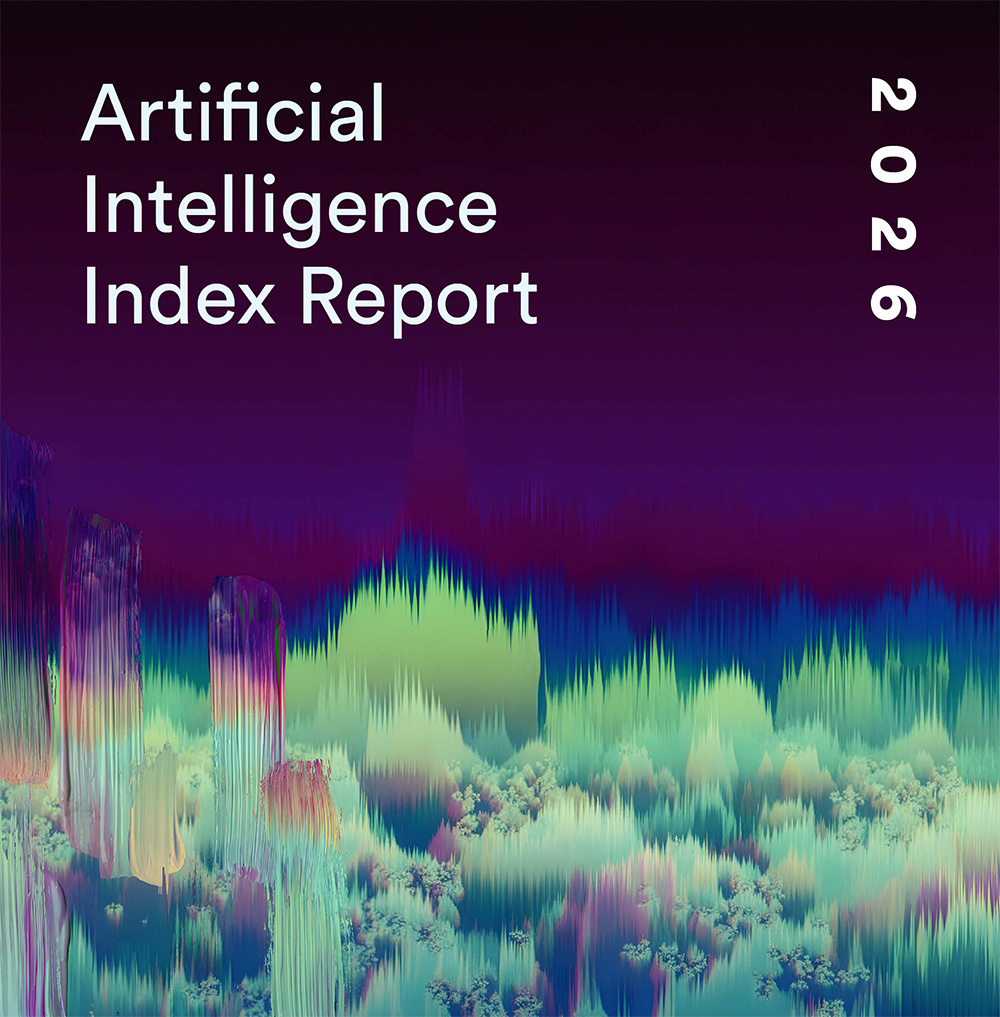
Stanford AI Index 2026: AI Is Scaling Faster Than Society Can Adapt
The release of the 2026 AI Index Report by Stanford HAI paints a very clear picture: artificial intelligence is no longer an emerging technology — it has become global infrastructure.